Should I Insulate My Garage Door in Arizona?
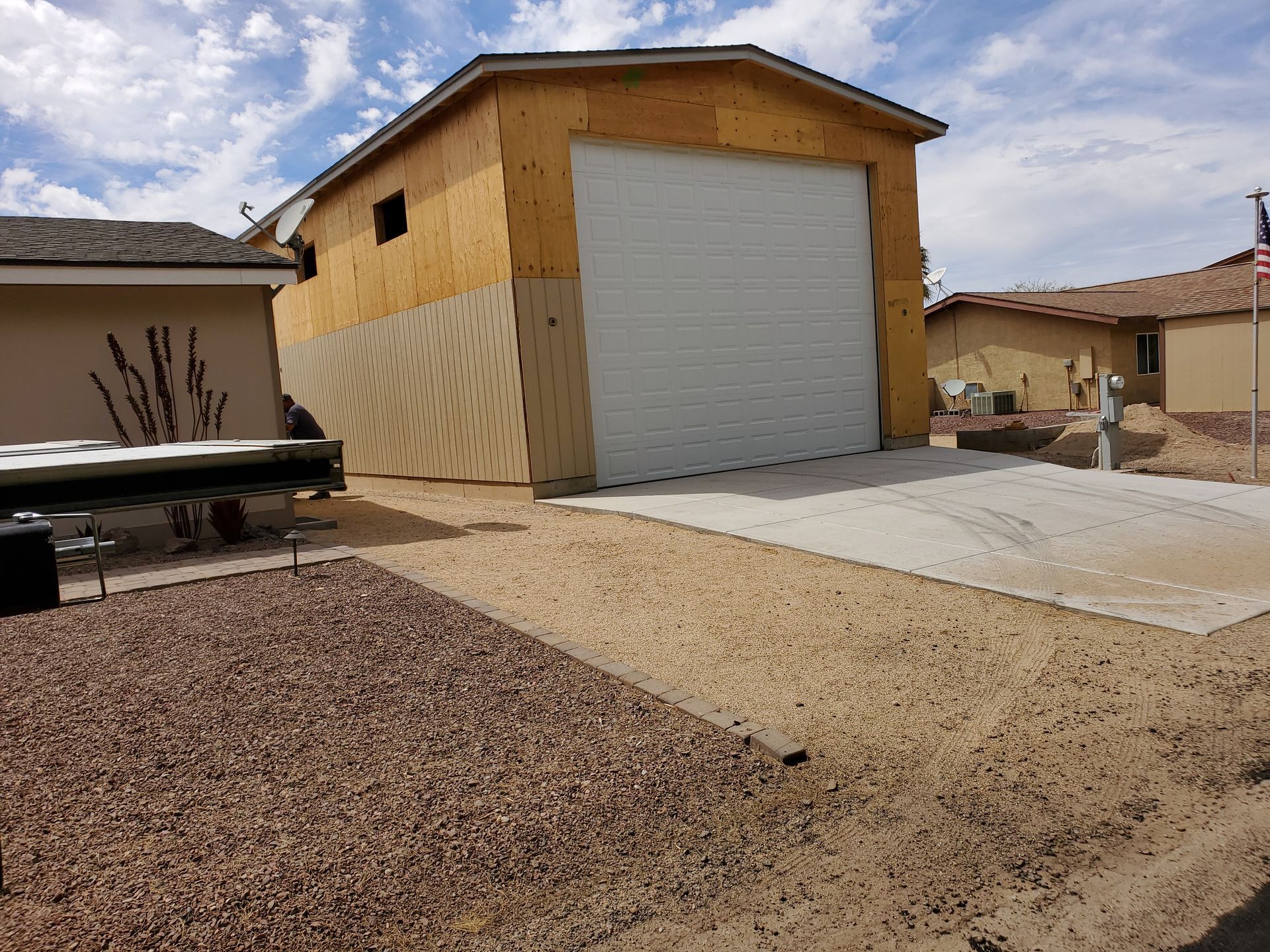
Homeowners ask me all the time: "Should I insulate my garage door in Arizona?" For most West Valley homes, my answer is yes — an insulated garage door can drop your garage temperature by 15 to 20 degrees in summer, and it runs quieter and lasts longer in our heat too.
I'm the owner of JCTZ Garage Doors, a family-owned company based in Buckeye. We're not a franchise — it's my name on the truck and ROC #343346 on the license. I work on doors all over the West Valley, from Verrado to Estrella. Here is the straight answer I give my own neighbors.
Why Insulate My Garage Door in Arizona? Here Is What It Actually Does
A plain single-layer steel door is basically a big metal panel facing the sun. On a 115-degree day, it soaks up heat and pushes it straight into your garage. I've pointed a temperature gun at west-facing doors in Buckeye and read over 150 degrees on the outside skin. Your garage turns into an oven, and that heat leaks into the house through the shared wall.
An insulated door — one with a foam core sandwiched between two steel skins — slows all that down. Here is what you get:
• A garage that runs 15 to 20 degrees cooler on the worst summer afternoons
• A quieter door, because the foam stiffens the panels and cuts down rattle
• Less heat stress on paint, tools, and the second fridge
• A more comfortable bedroom if one sits over or beside the garage
What 115-Degree Heat Does to a Bare Door
Heat is not just a comfort problem — it is a wear problem. Metal expands in 115-degree heat, so a thin, uninsulated door flexes and pops as the sun moves across it. Add our desert dust, which dries out rollers and hinges, and a bare door in west Buckeye ages faster than the same door in a milder climate. I wrote more about that in my post on how Arizona weather beats up garage doors.
An insulated door is stiffer, so it flexes less, tracks straighter, and is easier on your opener. If your current door is already banging or jerking, get a garage door repair visit first — insulation will not fix a door that is out of balance. And whatever door you have, a yearly garage door tune-up with fresh lubrication goes a long way out here.
A Real Story From Verrado
Last July I got a call from a family in Verrado who had turned their garage into a home gym. West-facing door, single-layer steel. The husband could only work out before 6 a.m., because by mid-morning the garage hit almost 130 degrees. I measured 128 on my thermometer at 11 a.m.
We swapped the old door for an insulated steel door as part of a new garage door installation, sealed up the perimeter, and he texted me a week later: same time of day, 109 in the garage. Still warm — this is Arizona — but almost 20 degrees is the difference between usable and not.
When I Would Tell You to Skip It
Now the honest part. I am not here to sell you something you do not need. I would skip insulation if:
• Your garage only stores a car and the door faces north or sits in shade most of the day
• You are selling the house soon and will not be around to enjoy it
• The garage is detached and you never spend time in it
One more warning from experience: be careful with stick-on foam panel kits for older doors. They add real weight, and your springs were sized for the door as it was built. I have seen DIY kits throw a door so far out of balance that the opener was lifting weight it was never meant to lift. If you insulate an existing door, have someone check the spring balance afterward.
Kits vs. a New Insulated Door: What I Recommend
If your door is only a few years old and in good shape, a professionally installed kit with a spring adjustment can be a fair middle ground. But if it is 15 years or older, dented, or already giving you trouble, put that money toward a new insulated door instead — foam core, new seals, quiet rollers, and fresh springs in one shot. We carry all major brands and can pair a new door with a LiftMaster, Chamberlain, or Genie opener, including smart MyQ setups you can check from your phone.
Ready for a Cooler Garage? Call or Text Me
If you have been asking yourself, "Should I insulate my garage door in Arizona?" — the fastest way to find out what makes sense for your house is to have me look at it. Estimates are free, by call or text, with no pressure either way. Our trucks are stocked, most repairs get done in one visit, and we offer same-day service across Buckeye, Verrado, Estrella, and the rest of the West Valley. Call or text JCTZ Garage Doors at 623-335-3699.
FAQ
How much cooler will an insulated garage door make my garage?
Most of my customers see a 15 to 20 degree drop on hot afternoons, especially on west-facing doors. It will not turn your garage into air-conditioned space, but it takes the edge off the worst heat.
Can I add insulation to my existing garage door?
Sometimes. If the door is newer and in good shape, a kit can work — but insulation adds weight, so the springs need adjusting afterward. On older or worn doors, put that money toward an insulated replacement.
Does an insulated garage door help in winter too?
It does. Desert nights get cold, and an insulated door keeps the garage warmer on those 35-degree January mornings. If you work in the garage year-round, you will notice it in both seasons.